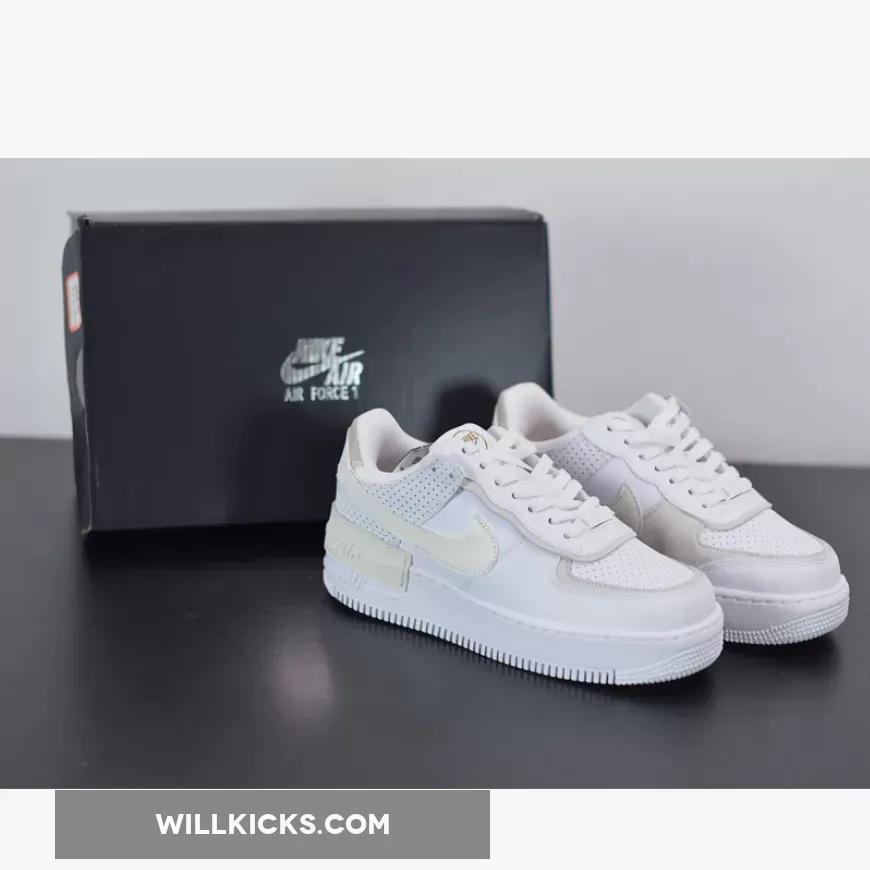
The world of sneakers is a vibrant tapestry woven with threads of style, history, and, unfortunately, counterfeits. The allure of coveted designs like the Air Force 1 Shadow in atomic pink, the classic Air Force 1s in white and pink, the eye-catching Pink Sail Jordan 4, or even the subtle elegance of a pink and white stone-inspired colorway, has unfortunately attracted a market for fraudulent replicas. Navigating this landscape requires a keen eye and a thorough understanding of authentication techniques. This post delves beyond simply identifying fake Jordan 4s and provides a comprehensive guide to authenticating various Nike and Jordan sneakers, empowering you to confidently identify genuine articles from their imitations.
The quest for authentic sneakers often begins with the box. While not foolproof, the packaging plays a significant role in the authentication process. Legitimate Nike and Jordan boxes are meticulously crafted, featuring crisp printing, accurate style numbers, and a clear, consistent UPC code. This code, a unique 9-digit identifier, should match the one printed on a label found inside the shoe, usually near the tongue or insole. Discrepancies between these codes raise a significant red flag, strongly suggesting a counterfeit product. Pay close attention to the box’s construction; flimsy cardboard, blurry printing, or mismatched fonts are indicative of a fake.
Beyond the packaging, the shoes themselves offer numerous clues. The materials used are paramount. Authentic Nike and Jordan sneakers, particularly higher-end models, boast premium materials like supple leather and smooth suede. These materials feel luxurious to the touch, possessing a distinct texture and weight absent in counterfeit versions. Fake sneakers often utilize cheap, synthetic substitutes that lack the genuine article’s quality and feel. Take the Air Force 1 Shadow Atomic Pink as an example – the vibrant pink should be rich and consistent, not faded or unevenly applied. Similarly, the white sections should be a crisp, clean white, free from yellowing or discoloration.
Stitching provides another critical checkpoint in the authentication process. Legitimate Nike and Jordan sneakers are renowned for their precise, even stitching. Examine the stitching around the soles, the panels, and the overlays carefully. Loose threads, uneven stitching patterns, or skipped stitches are clear giveaways of a counterfeit. The stitching on a genuine Air Force 1 Shadow White Atomic Pink, for example, will be meticulously executed, reflecting the brand’s commitment to quality craftsmanship. A poor stitching job is a major sign of a fake.
Color accuracy is another key factor. Authentic Nike and Jordan sneakers feature consistent and vibrant colors, reflecting the brand’s dedication to color fidelity. If the colors appear dull, washed out, or unevenly applied, it could indicate a counterfeit. This is especially crucial when dealing with bold colorways like the Pink Sail Jordan 4. The subtle nuances of the pink shade should be consistent across the entire shoe. Inconsistencies in color saturation or a generally muted appearance point towards a fake. The same principle applies to other color schemes, such as the Air Force 1 Shadow White Atomic Pink, where the precise balance of white and pink is critical to authenticity.
The details are often what separates the genuine from the imitation. Look closely at the logos. Authentic Nike swooshes and Jordan Jumpman logos are meticulously crafted, possessing a precise shape, consistent coloring, and a refined texture. Counterfeit logos are often poorly executed, exhibiting distortions in shape, uneven coloring, or a cheap, plastic feel. This minute attention to detail extends to other branding elements like text labels and size markings. These details should be crisp, clear, and flawlessly executed.
The overall feel and weight of the sneaker also contribute to the authentication process. Genuine Nike and Jordan sneakers have a certain weight and heft, stemming from the use of high-quality materials. Counterfeit sneakers often feel significantly lighter and less substantial due to inferior materials and construction. This difference in weight and feel is often subtle but noticeable to someone familiar with the genuine article. Compare the shoe in question to an authentic pair if possible; you’ll likely notice a difference in feel immediately. A reputable sneaker retailer can also assist in making a comparison.
Beyond the physical characteristics, consider the source of the sneakers. Purchasing from authorized retailers or reputable online marketplaces significantly reduces the risk of encountering counterfeit products. Be wary of suspiciously low prices, as this often indicates a counterfeit product. If a deal seems too good to be true, it probably is. Always research the seller’s reputation before making a purchase.
Authenticating your Nike and Jordan sneakers requires a combination of careful observation, detailed inspection, and a knowledge of the brand’s standards. By paying attention to the box, materials, stitching, colors, logos, and overall feel, you can significantly increase your ability to distinguish genuine products from counterfeits. Remember, a thorough examination is key to ensuring you are investing in authentic, high-quality footwear. The pursuit of genuine sneakers is a journey that appreciates the dedication to detail and craftsmanship that defines the brands.