
The sneaker industry is a multi-billion dollar juggernaut, driven by passion, style, and the allure of limited-edition releases. But this booming market has also attracted a dark underbelly – the world of counterfeit sneakers. From the iconic Air Jordan 4 “Infrared” to the coveted “Webspider” colorway, the quest for coveted kicks has driven collectors and resellers alike to navigate a treacherous landscape of replica sneakers, leaving even the most discerning sneakerhead vulnerable.
The Allure of the “Fake”: A Deeper Dive
The appeal of counterfeit sneakers might seem perplexing at first glance. Why would anyone choose a replica over the real deal? The answer lies in a complex interplay of factors, including:
- Accessibility and Affordability: Authentic sneakers, especially highly sought-after releases, can carry exorbitant price tags. Counterfeit sneakers offer a cheaper alternative, making coveted footwear accessible to a wider audience.
- Limited Releases and Resale Value: The scarcity of limited-edition sneakers fuels a secondary market where prices skyrocket. Counterfeits provide an opportunity to “get in” on the hype without breaking the bank, even if the resale value is significantly lower.
- FOMO (Fear of Missing Out): The constant release of new and limited sneakers creates a sense of urgency, often fueled by social media and influencer marketing. Counterfeit sneakers can offer a way to participate in the hype without missing out on the latest trends.
- The Thrill of the Hunt: For some, the challenge of finding a good counterfeit can be part of the appeal. It’s a game of cat and mouse, with buyers seeking out the best “rep” makers while sellers constantly strive to improve their imitations.
Beyond the Sneaker Box: The Impact of Counterfeits
The rise of counterfeit sneakers has far-reaching consequences, impacting:
- Brand Reputation: The proliferation of fakes undermines the authenticity and value of genuine products, potentially tarnishing the image of brands like Nike and Adidas.
- Economic Loss: Legitimate businesses suffer financial losses due to decreased sales and the erosion of consumer trust.
- Worker Exploitation: The production of counterfeit sneakers often involves unethical labor practices, with workers in developing countries facing unsafe working conditions and unfair wages.
- Environmental Concerns: The production of counterfeit sneakers contributes to environmental pollution and waste, as low-quality materials and inefficient manufacturing processes are employed.
Spotting the Fake: A Guide for the Discerning Sneakerhead
While counterfeiters constantly improve their techniques, there are still telltale signs to help differentiate real from fake sneakers.
Key Areas to Examine:
- Materials and Construction: Authentic sneakers use high-quality materials, such as genuine leather, suede, and durable stitching. Counterfeits often utilize cheaper substitutes, with noticeable differences in texture, stitching, and overall build quality.
- Branding and Logos: Pay close attention to the stitching, alignment, and details of logos and branding elements. Counterfeits often exhibit inconsistencies or noticeable imperfections in these areas.
- Sole Unit and Midsole: The sole unit and midsole of authentic sneakers are often made with specific materials and technologies. Counterfeits may lack the intricate details or proprietary technologies found in genuine sneakers.
- Box and Accessories: Authentic sneakers come with branded boxes, tags, and other accessories. Counterfeits may have inconsistent or poorly-made packaging.
Beyond the Physical: The Rise of Digital Verification
As counterfeiters become more sophisticated, traditional methods of verification may no longer suffice. Brands and online platforms are increasingly adopting digital technologies to combat counterfeit products:
- QR Codes: Authentic sneakers often feature QR codes that can be scanned to verify their authenticity.
- Blockchain Technology: Blockchain technology can be used to track the origin and ownership of sneakers, making it more difficult for counterfeits to enter the market.
- AI-Powered Detection: Artificial intelligence is being used to analyze images and data to identify counterfeit sneakers, helping to prevent their sale online.
The Future of Sneaker Authentication: A Collaborative Effort
The fight against counterfeit sneakers requires a collaborative effort between brands, retailers, consumers, and law enforcement agencies. Education, transparency, and technological advancements are crucial in safeguarding the integrity of the sneaker market.
The Need for Consumer Awareness:
Ultimately, consumers play a key role in the battle against counterfeit sneakers. By being informed about common counterfeit indicators, utilizing available authentication tools, and supporting legitimate retailers, individuals can help create a more authentic and ethical sneaker landscape.
It’s not just about the shoes; it’s about supporting a fair and sustainable industry. By becoming informed and mindful consumers, we can all contribute to a future where the love of sneakers remains a passion for genuine craftsmanship and style, free from the shadows of deception.
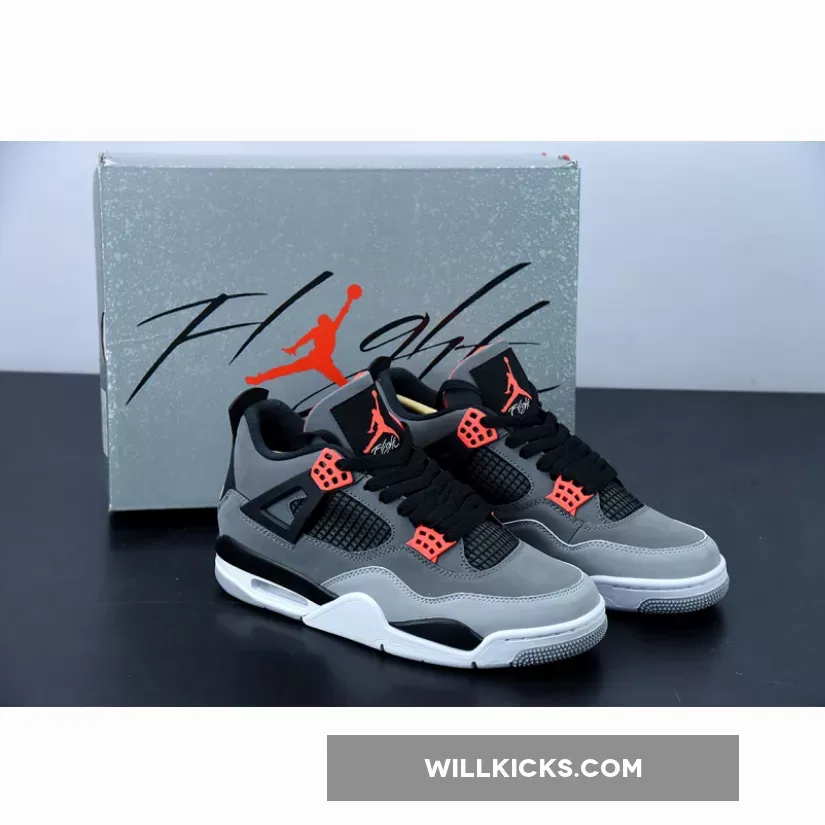 CLICK HERE TO Buy : Air Jordan 4 ‘Infrared’ Dark Grey/Infrared 23-Black DH6927-061 / dark grey 4s