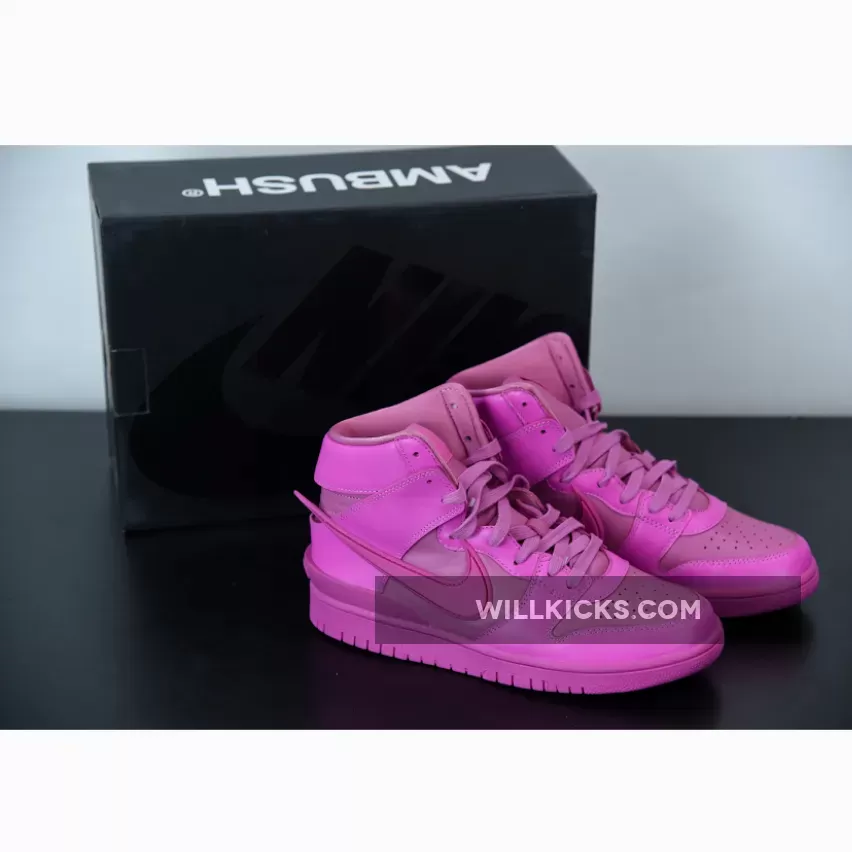
The late 1980s and early 1990s were a golden age for basketball footwear innovation. Brands like Nike, Reebok, and Adidas were constantly pushing the boundaries of performance, comfort, and style, resulting in a slew of iconic sneakers that continue to be celebrated today. Amid this flurry of innovation, Nike released a shoe that promised to revolutionize the game: the Air Pressure.
While the Air Pressure might not be as renowned as the Air Jordan or the Air Max, it stands out for its audacious use of technology – the “pump.” The pump was an air bladder system that allowed the wearer to customize the fit and support of the shoe by simply pressing a button on the side. This was seen as a revolutionary concept at the time, promising a level of personalized comfort and performance never before seen in basketball footwear.
The Air Pressure’s design was a bold statement. Its futuristic, almost alien-like aesthetic, with its bulbous, air-filled chambers, set it apart from the sleek and streamlined silhouettes of its contemporaries. The shoe was available in a variety of bold colors, including a striking white and grey combination, as well as a vibrant “electric” colorway that reflected the era’s obsession with neon hues.
However, despite its promise and innovative design, the Air Pressure ultimately failed to make a lasting impact on the basketball scene. It was met with mixed reactions, with some praising its unique features while others criticized its cumbersome design and limited practicality. The pump itself, although a novel idea, was often prone to malfunctions and required regular maintenance. Players found that the pump’s ability to inflate the shoe led to a decrease in stability and support, particularly during intense movements and jumps.
The Air Pressure’s short-lived tenure in the basketball market can be attributed to a combination of factors:
-
Technical limitations: The pump, although revolutionary, was not reliable enough for a sport as demanding as basketball. The air chambers could leak or malfunction, resulting in a compromised fit and potentially causing discomfort or injury.
-
Unconventional design: The Air Pressure’s bulky and somewhat clunky design did not lend itself to the fast-paced and dynamic nature of basketball. It lacked the agility and flexibility that players required for quick cuts, pivots, and dribbling.
-
Limited market appeal: While the Air Pressure was a visually striking shoe, it failed to capture the hearts and minds of the basketball community. The pump technology, while innovative, did not translate into tangible performance benefits that could convince players to adopt it over more established and reliable options.
-
Competition from other innovative designs: The late 1980s and early 1990s witnessed a surge in basketball sneaker innovation, with brands like Reebok and Adidas developing their own revolutionary technologies. Reebok’s Pump technology, which debuted in 1989, was arguably more successful than Nike’s Air Pressure, as it found wider acceptance among players and consumers.
In the end, the Air Pressure was a bold experiment that ultimately failed to deliver on its promise. While it showcased Nike’s willingness to push boundaries and experiment with new technologies, it was a reminder that innovation alone is not enough to guarantee success in the competitive world of basketball footwear.
Despite its shortcomings, the Air Pressure holds a unique place in basketball footwear history. It served as a precursor to the more refined and successful pump technologies that emerged later, like the aforementioned Reebok Pump, which used a similar air-inflation system but was refined and ultimately more successful. The Air Pressure also serves as a reminder that even the most ambitious and innovative products can sometimes fall short of expectations.
Looking back, it’s fascinating to ponder why the Air Pressure did not find lasting success despite its technological innovation. Perhaps it was the awkward design, or maybe the pump technology wasn’t fully optimized. Or perhaps the shoe simply arrived at the wrong time, when other innovative brands were already dominating the market.
Whatever the reason, the Air Pressure remains a curious footnote in the history of basketball footwear, a reminder that innovation alone is not enough to guarantee success. The shoe’s legacy, however, is not simply about its failure but about its ambition, its boldness, and its attempt to redefine what was possible in basketball footwear.
In the end, the Air Pressure serves as a cautionary tale: it is a testament to the need for both innovation and practical functionality in the pursuit of creating truly game-changing athletic footwear. It also reminds us that even the most ambitious and forward-thinking companies can stumble in their pursuit of athletic greatness. And while it may not be a shoe that is widely celebrated, the Air Pressure serves as a reminder of Nike’s enduring commitment to pushing boundaries and experimenting with new technologies, even if those experiments don’t always result in immediate success.